Skip to content
Back to catalogue

Professional Development

The forgotten body in the age of screens

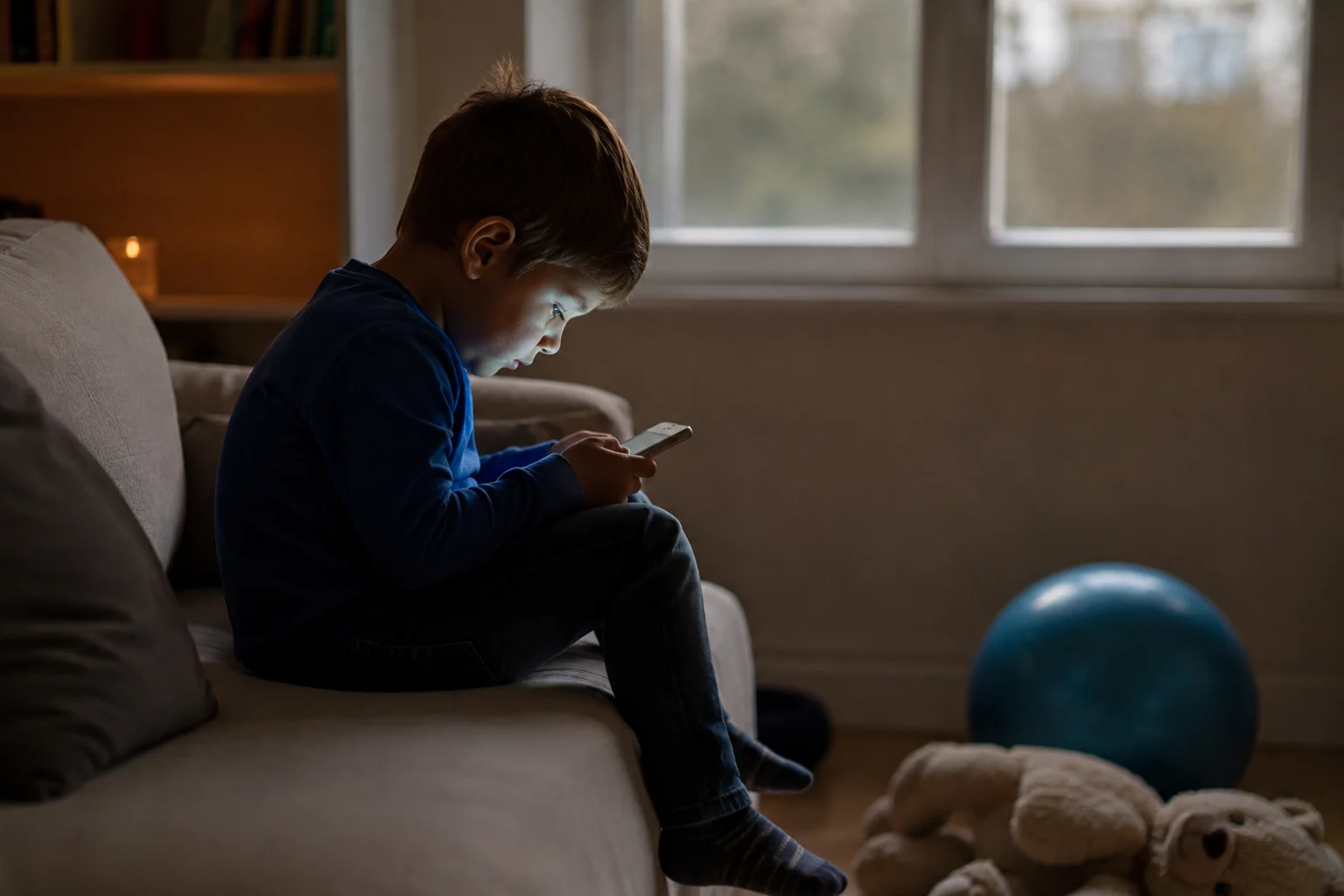
Running, jumping, climbing, balancing, rolling, handling objects, exploring space, touching and experimenting are much more than forms of play. Bodily experiences are fundamental to the development of body awareness, motor coordination, attention, language, executive functions and learning. In a childhood increasingly marked by screen time and by fewer opportunities for movement and exploration, it becomes essential to understand what happens when the body no longer has the space it needs to develop. In this course, we will explore the relationship between body, movement, development and learning, identifying strategies to give children meaningful bodily experiences back in everyday life.

DGERT Certification
The training is delivered under DGERT certification in partnership with APTHUS, a certified training provider.
Enrolment79,00 €

This training is subject to a minimum number of registrations.
O corpo esquecido na era dos ecrãs

Overview

About this learning

In this training, you will understand

  • The importance of bodily experiences in child development.
  • How the body schema is built and why it is fundamental to the child’s relationship with space and with themselves.
  • The relationship between movement, attention and self-regulation.
  • How motor experiences can contribute to language development.
  • The importance of motor coordination for learning.
  • The relationship between movement and executive functions.
  • How the body takes part in learning processes.
  • The impact of the reduction in motor experiences in childhood today.
  • The importance of exploration, movement and bodily play in development.
  • Strategies to create more opportunities for movement in educational, therapeutic and family contexts.

The body also learns

Before learning to write, the child needs to know their body.

Before understanding spatial concepts, they need to experience space.

Before being able to stay attentive during a task, they need to develop regulatory mechanisms.

Development does not happen only through what the child sees and hears. It also happens through what they feel, experience and do with the body.

In this training we will look at child development in an integrated way, understanding how movement, body, cognition and learning are deeply linked.

Training duration:

This training lasts 6 hours.

Who is it for?

Educators and teachers

To understand the relationship between movement, attention and learning and create more development-promoting contexts.

Therapists

To integrate a bodily and motor perspective into understanding and intervention with children.

Psychologists

To deepen the relationship between bodily experiences, regulation, cognition and development.

Families

To understand the impact of current routines and create more opportunities for movement and exploration in everyday life.

Course programme

What will you discover?

Session 01
Live

Before the screen, there is a body

3 November · 18:00–21:00

Body and child development;
Sensorimotor experience and knowledge construction;
Movement, exploration and learning;
Body schema and body awareness;
Changes in children’s motor experiences;
Sedentary behaviour and reduced spontaneous movement;
Less exploration of space;
Diverse sensory and motor experiences;
Body autonomy.

Session 02
Live

The impact on attention and self-regulation

6 November · 18:00–21:00

Movement and tonic-emotional regulation;
Activation and readiness to learn;
Sustained attention;
Need for movement and behaviour;
The "fidgety" child vs. the child who needs to regulate through movement;
Relationship between bodily experiences and cognitive processes;
Planning and organisation;
Inhibition and motor control;
Motor and cognitive flexibility;

Fotografia de Soraia Picado

About The Author

Soraia Picado

Psychomotricist

Soraia Picado is a Psychomotricist, with around 10 years of experience in child development and neurodevelopment. She works in clinical, educational and community settings, supporting children with different developmental profiles and specific needs. Her practice is based on an integrative perspective, linking body, movement, cognition, emotion and relationships, seeking to understand the child beyond observable behaviour. In addition to psychomotor intervention, she develops awareness-raising and child development promotion projects with families, schools and institutions, as well as work in Supervision and Consultancy in Therapy and Education. She also includes Max the dog as a mediator in contexts of Animal-Assisted Intervention, exploring the therapeutic and relational potential of the human-animal relationship. She is driven by the search for answers that make sense for the real child, in their different life contexts, bringing scientific knowledge, clinical experience and everyday practice closer together.

CCP F759970/2024

This training is subject to a minimum number of registrations.

Frequently asked questions

Everything you need to know.